
In This Blog
Switching to live-in care is a big step, one that can make life feel more stable and reassuring. But for things to run smoothly, the home environment needs a few thoughtful adjustments. It’s not just about safety for the person being cared for, it’s also about making the space comfortable and workable for the carer who’ll be living there.
Whether you’re planning or sorting things out quickly, here are some practical ways to prepare your home for live-in care.
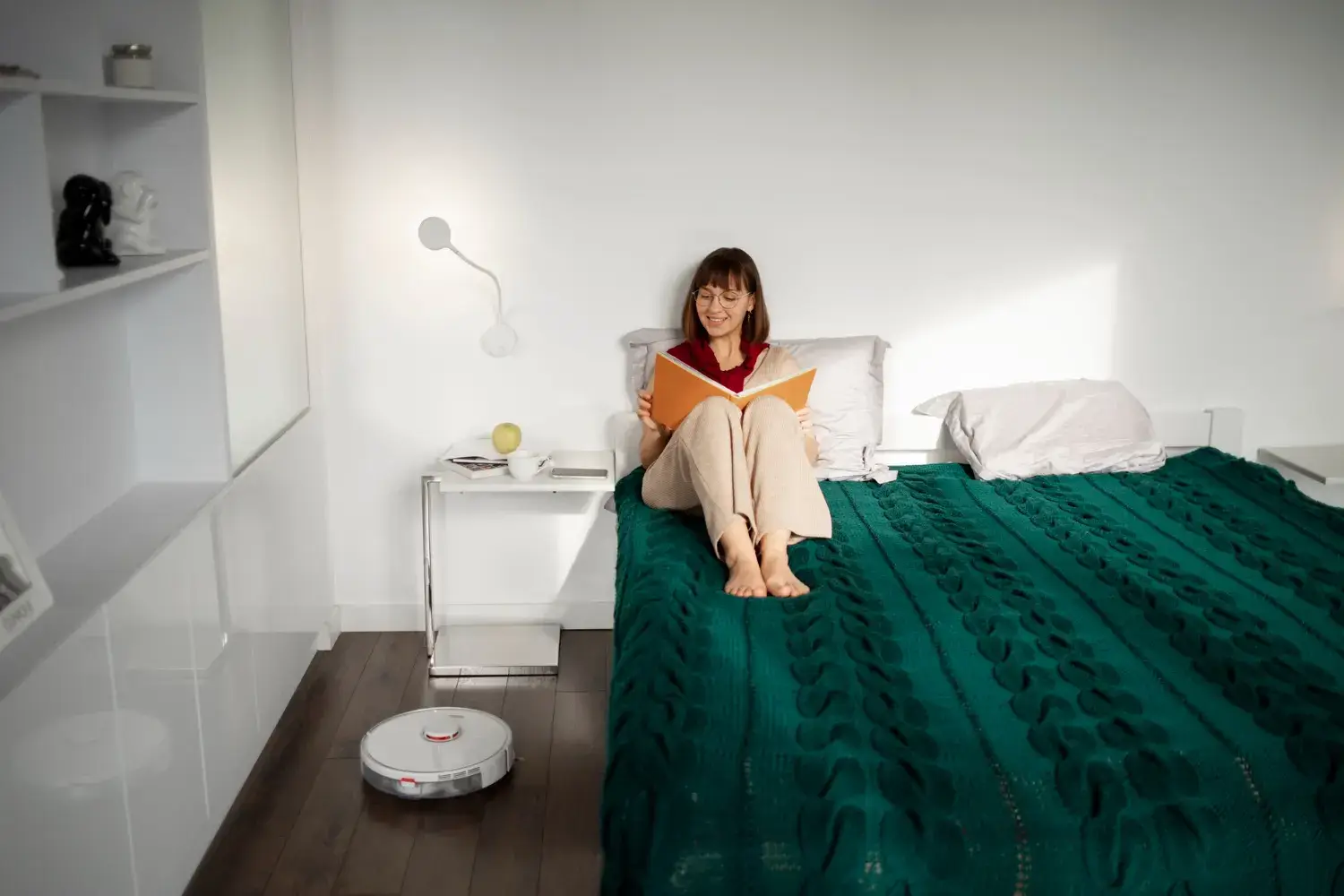
Provide a Suitable Private Room for the Carer
Live-in carers require their own clean, private space to rest and recharge. The room should ideally include:
- A bed with fresh linen.
- A wardrobe or chest of drawers.
- A chair or desk (if space allows).
- Heating and ventilation.
- Internet access (for communication, training, or scheduling).
While the carer is there to support full-time, it’s important they feel respected and valued. A private space supports better mental well-being and performance.
Set Up Shared Facilities
Live-in carers will need access to shared kitchen, bathroom, and laundry facilities. A quick orientation or tour helps set expectations.
| Facility | Checklist |
| Kitchen | Storage space for food, shared meal prep guidelines |
| Bathroom | Shower/bath availability, towel space |
| Laundry | Instructions on machine use, laundry routine |
| Fridge/Freezer | Allocate shelf space |
Ensure Basic Safety and Accessibility
Make sure the home is safe and easy for both the carer and your loved one to move around in. If mobility is a concern, you might want to walk through the space yourself or ask an occupational therapist for advice; even small changes can make a big difference.
| Safety Measures | Examples |
| Fall prevention | Remove rugs, install grab rails |
| Mobility support | Handrails, non-slip mats |
| Medication safety | Secure storage and labelling |
| Fire safety | Working smoke alarms, emergency exits |
Prepare for Personal Care and Equipment Needs
If the individual has medical or mobility issues, the following may be required:
- Assistive Equipment: Hoists, walking aids, wheelchairs
- Bathroom Aids: Raised toilet seats, commodes, shower chairs
- Bed Adjustments: Hospital-style adjustable beds, bed rails
Your care provider will usually let you know what equipment could be helpful, such as grab rails, shower chairs or bed aids, depending on what was discussed during your care assessment.
Create a Daily Routine Guide
The more a carer knows, the more consistently and comfortably they can make the client’s day. Document the following:
- Morning/evening routines.
- Medication times.
- Favourite foods and drinks.
- TV programmes or hobbies.
- Bathing/dressing preferences.
- Social outings or appointments.
It helps ensure care is person-centred from day one.
Emergency and Contact Information
Have key documents and contacts readily available:
- Emergency contact numbers.
- GP details.
- Hospital/ambulance protocols.
- Power of attorney documentation (if applicable).
- Medication list with dosages and allergies.
Some families create a folder or binder for carers to access when needed.
Clarify Food and Meal Arrangements
Live-in carers typically share meals with the client, but this should be agreed in advance. Decide:
- Will you provide all the food?
- Will the carer cook separately?
- Are there cultural or dietary needs to be respected?
Some families offer a weekly grocery allowance; others provide full board.
Communication and Boundaries
Open communication is key. Have a conversation before care begins about:
- House rules or cultural norms.
- Smoking, alcohol, or guests.
- Preferred ways of working.
- How can the carer contact family members or the agency?
- When and how the carer takes breaks or days off.
A transparent environment avoids friction and sets the tone for a respectful relationship.
Final Thoughts
Getting your home ready for a live-in carer isn’t about changes; it’s the small, everyday tweaks that make the biggest difference. Things like clearing out a spare room, setting up a private space, or just agreeing on morning routines can help everyone feel at ease. When both comfort and clarity are in place, good care follows naturally.




1 thought on “How to Prepare Your Home for a Live-In Carer?”