In This Blog
Families often feel unsure when choosing between personal care and nursing care for loved ones. Both support elderly care but meet very different needs within trusted home care services. Personal care helps with daily tasks like washing, dressing, eating, and light housework. Nursing care gives medical support, such as medicines, wound care, and health checks at home. These differences guide families when deciding which type of care best fits their situation.
Every family wants clear guidance before arranging care at home. The right choice ensures safety, dignity, and comfort every day. Some people only need help with routines like eating, bathing, or dressing. Others need skilled support for health problems and medical needs.
This guide explains personal care and nursing care in simple terms. It helps families understand the differences and choose with confidence. With the right knowledge, you can make a decision that truly supports your loved one.
What is Personal Care?
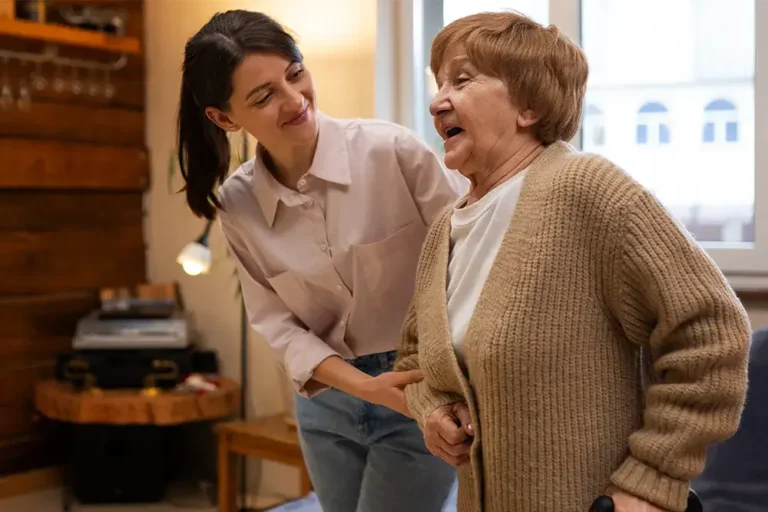
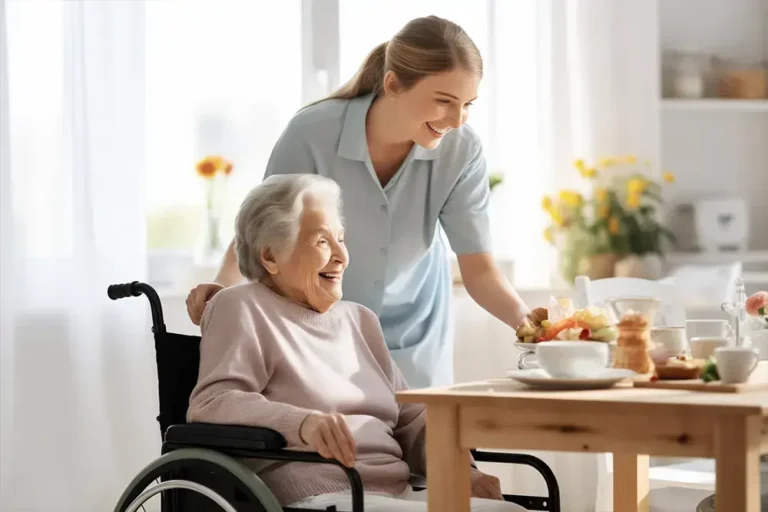
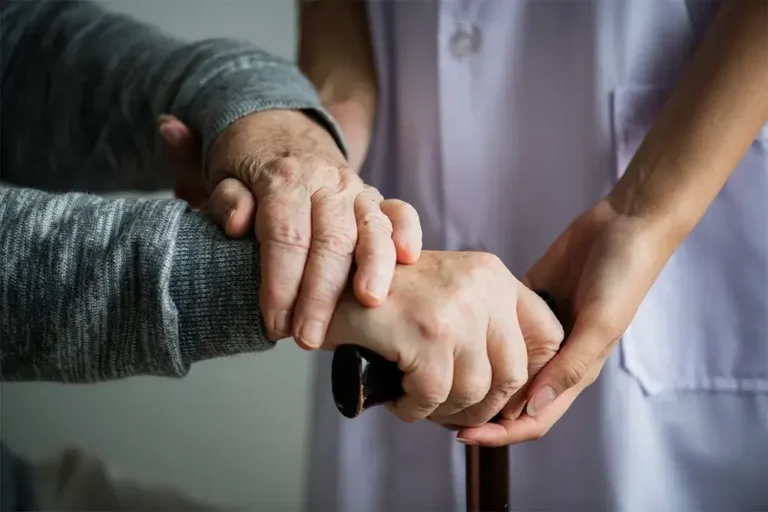
Personal care means helping people with daily tasks they cannot manage alone. It includes support with washing, dressing, eating, and using the bathroom safely and with dignity. Caregivers also help with mobility, making sure individuals move safely at home or outside.
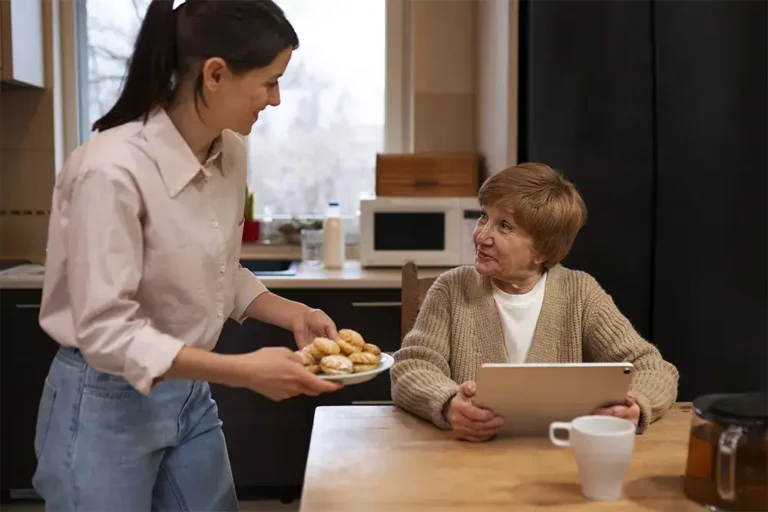
Companionship is another key part of personal care. Caregivers provide friendly conversation and emotional support throughout the day. This care helps people stay safe, independent, and comfortable in their familiar surroundings.
Personal care is often needed by elderly people who find daily routines increasingly difficult. People with long-term health conditions also benefit from personal care. Families choose personal care to maintain dignity and improve life quality for loved ones at home.
What is Nursing Care?
Nursing care means medical support at home for people with health problems or complex needs. A registered nurse delivers this care using professional training and experience in healthcare. It includes giving medication, dressing wounds, managing injections, and providing regular health checks at home. Nurses also watch for changes in health and act quickly to protect a person’s safety. Nursing care is different from personal care because it focuses on medical needs, not daily tasks.
Families often choose nursing care when someone needs more than basic help with everyday living. It provides peace of mind because a trained nurse manages treatments, checks health, and handles emergencies. Nursing care helps people with serious conditions stay safe while receiving treatment in their own homes.
Why Families Struggle to Choose
Families often struggle when deciding between personal care and nursing care for loved ones. The confusion begins because both options sound similar but serve very different purposes. Personal care supports daily routines, while nursing care deals with medical needs and health problems. When circumstances change, families feel unsure which option will match their loved one’s needs.
A care needs assessment helps families decide if daily support or medical attention is required. Without guidance, many feel overwhelmed when choosing between home care services or residential care facilities. Some prefer support at home, while others consider care in a managed setting. These decisions feel emotional because families want dignity, safety, and comfort for loved ones.
The choice becomes harder when health conditions progress or new care needs appear. Families may begin with personal care but later realise nursing care becomes necessary. These challenges show why clear guidance is essential for making the right decision. Understanding the differences helps families choose care that suits their relative’s unique circumstances.
Differences Between Personal Care and Nursing Care
Families often wonder about the main personal care vs nursing care differences when planning support. Both help people at home, but they focus on very different needs and responsibilities. Personal care is non-medical support with daily routines, while nursing care is medical and clinical. The level of supervision, skills required, and overall costs also vary between these two services.
Here is a simple comparison to make the differences clearer:
| Aspect | Personal Care | Nursing Care |
| Type of Support | Non-medical help with daily tasks | Medical care provided at home |
| Delivered By | Caregivers or care assistants | Registered nurses with professional training |
| Main Focus | Hygiene, dressing, eating, companionship, mobility support | Medication management, wound care, health monitoring, injections |
| Skill Requirements | Basic training in caregiving tasks | Advanced medical knowledge and nursing qualifications |
| Level of Supervision | Supports independence with minimal oversight | Provides close monitoring and medical supervision |
| Cost | Usually less expensive | Generally more costly due to professional skills |
| Best For | People needing help with routines | People with medical needs or ongoing conditions |
These clear differences show that personal care suits everyday living support, while nursing care fits medical needs. Families can better decide by matching their loved one’s condition with the right type of service.
Benefits of Personal Care
Personal care supports families by helping loved ones manage daily routines and personal needs. It allows people to remain independent while staying comfortable in their own homes. Caregivers assist with washing, dressing, eating, and moving safely around the home or outdoors. This type of support protects dignity and reduces risks linked to falls or neglect.
Companionship is another major benefit. Caregivers provide conversation, reassurance, and emotional support throughout the day. This makes life less lonely and more enjoyable for elderly or vulnerable individuals. Families also gain peace of mind knowing their loved ones have company and daily support.
Flexibility is a big advantage of personal care. Some people only need short visits. Others need regular help every day. Care schedules change with health or lifestyle needs, keeping support practical and cost-effective.
By choosing personal care, families give loved ones safety, independence, and comfort. It balances support with freedom. This helps people live with confidence while staying in their familiar surroundings.
Benefits of Nursing Care
Nursing care gives families peace of mind with medical support at home. Trained nurses manage treatments, check health, and act quickly when conditions change. This regular supervision lowers risks and ensures care is safe and accurate.
It also helps people with complex health needs. Nursing care supports recovery after surgery, long-term illness, or regular medical needs. Skilled care at home prevents hospital visits and keeps treatment consistent.
Emergency readiness is also a clear advantage. Nurses can act quickly during sudden health issues or medical complications. Families gain peace of mind knowing someone trained is available to handle urgent situations.
Nursing care balances professional expertise with personal comfort. It allows loved ones to receive medical support while staying in familiar surroundings. This approach provides safety, dignity, and trust for families facing ongoing health challenges.
When to Choose Personal Care vs. Nursing Care
Choosing a care type depends on the needs of your loved one and their daily challenges. A care assessment helps families decide whether simple support or medical supervision is most appropriate.
Personal care is best when someone struggles with everyday routines but does not require medical treatment. It suits elderly people with mobility issues, reduced strength, or those needing help with hygiene and meals. Families often select personal care to maintain independence while ensuring safety and comfort at home.
Nursing care is needed when health conditions require skilled medical support. It also helps when regular monitoring is important. It benefits people with chronic conditions, those recovering from surgery, or managing long-term treatment. Nurses provide medication, wound care, and emergency support with skill and experience.
In many cases, care needs can change over time. A person may begin with personal care but later require nursing care as health conditions progress. Families should review care regularly to ensure it continues meeting the person’s needs.
Making the right decision brings peace of mind. It ensures loved ones receive support that balances safety, dignity, and overall well-being.
How Consummate Care Can Help
At Consummate Care, we provide trusted home care services that UK families can rely on with confidence. Our focus is on personal care that supports dignity, independence, and comfort for your loved ones. Every care plan is tailored, ensuring each person receives the right support for their daily needs.
We help with essential routines such as washing, dressing, eating, and moving safely around the home. Our caregivers also provide companionship, offering friendly conversation and emotional support that reduces loneliness and brings peace of mind. Flexible schedules mean care can fit around family life, whether short visits or daily support are needed.
Consummate Care takes time to understand your family’s situation and design care that feels truly personal. With us, your loved one can remain safe and comfortable at home while enjoying everyday life.