
In This Blog
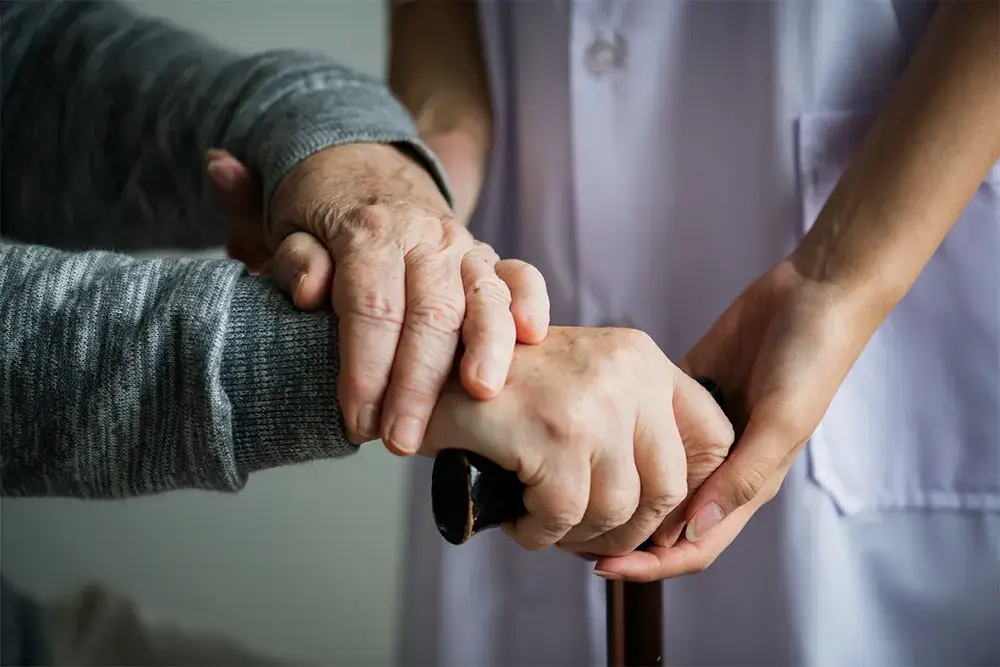
Home care means giving support at home to keep a person safe, comfortable, and independent. Home care has two major types. The first type is home health care, which provides medical support at home. This type of care can include nursing, physiotherapy, or treatments that help individuals recover from an illness or manage an ongoing condition. The second type is non-medical care, which focuses on everyday life. Non-medical home care can involve helping people with washing, dressing, making meals, or simply providing companionship.
Home care helps individuals maintain their independence while living at home. It also reassures families that their loved ones are receiving proper care.
Types of Home Care Services
Home care services are personalised to each person’s needs. They can range from medical support to help with everyday living. There are several types of home care services:
Personal Care
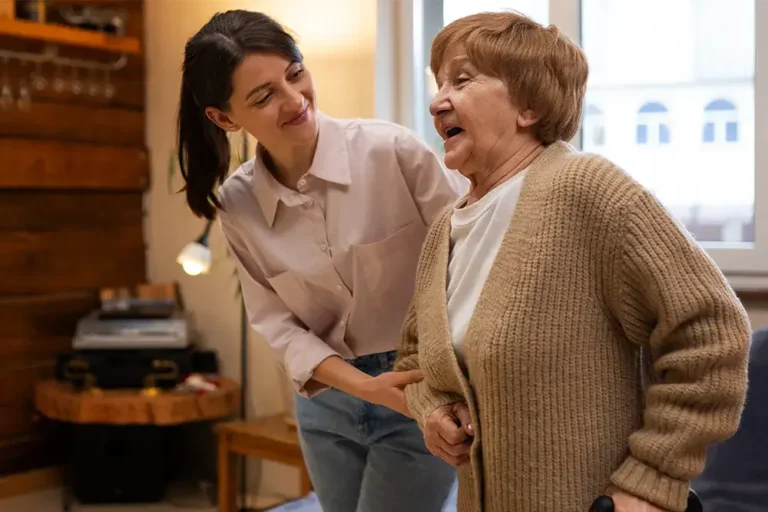
This could include assistance with day-to-day tasks like washing, dressing, eating, and using the toilet. For example, an ageing individual with limited mobility may have support with personal care to enable them to remain in their home independently.
Skilled Nursing
This service could include options such as wound care, medication assistance, or physical therapy. If someone is recovering from surgery or living with a chronic illness, skilled nursing may be a suitable option.
Respite Care
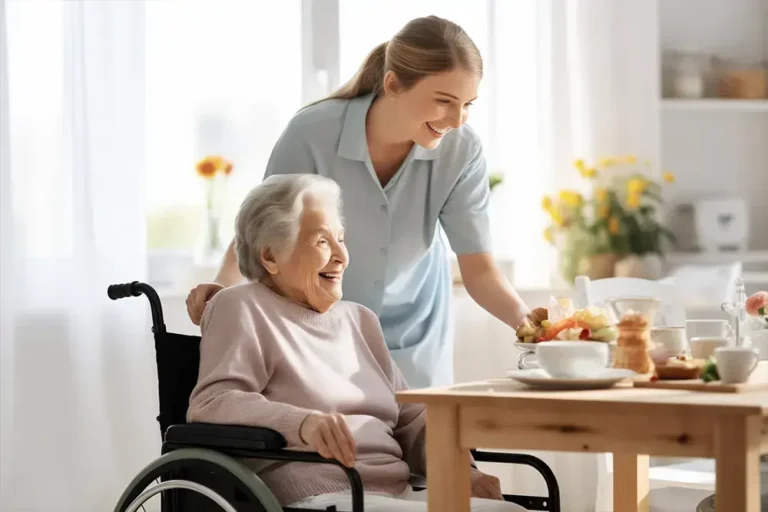
Respite care provides family caregivers with short-term relief. A professional caregiver can step in for a few hours or days to provide temporary support. This gives families time to rest, work, or focus on their own health, knowing their loved one is safe.
Dementia Care
This type of care applies to people with Alzheimer’s or other forms of dementia. Caregivers support the person with memory-related needs, daily routines, and safety. Care helps the person stay calm and safe in their own environment.
Companion Care
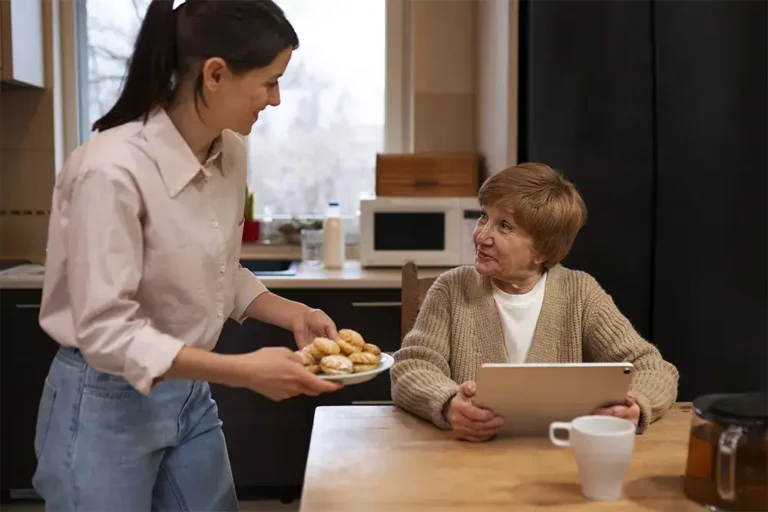
Companion care mainly provides social interaction and emotional support. It may involve talking, incidental help around the house, or going out for a walk. For example, an older adult living alone may feel less lonely with a companion caregiver.
Benefits of Home Care
Home care is beneficial for both the client and their family in many ways. It is more than just basic support; it also encompasses emotional support, cultural value, and financial balance.
- Independence and Autonomy: Independence is perhaps the most significant benefit. People can remain in their communities, live by their routines, and make decisions about their day-to-day living. The feeling of being in control increases confidence and well-being.
- Support for Families: Home care also helps family caregivers by easing stress and allowing them to share responsibilities with trained professionals. Stress related to caregiving can be alleviated as they work together with trained carers.
- Emotional and Cultural Comfort: Home life consists of many familiar places, memories, and traditions. For a lot of people, it is an emotional place and a connection to their culture. Older people can still share family meals, speak their own language, and follow familiar traditions at home.
- Better Quality of Life: Research indicates that people receiving home support may experience better outcomes than in an institution. Home support can offer significant stress reductions, shorter hospital recovery times and improved mental health.
- Financial Benefits: Home care is often more affordable than residential care. Families only pay for the services they need, making it flexible and cost-effective.
Challenges & Ethical Issues
Home care poses challenges of its own. First, caregivers may experience burnout from demanding hours, stress, and emotional pressure, while families may have anxiety about the ongoing financial commitment. There can be variability in care delivery, and there is a lack of trained workers, particularly for people needing specialist support like dementia care.
There are also ethical issues. Care in home settings often means doing something private and personal, and care can potentially negatively impact a person’s dignity if not done respectfully. Families often face the challenge of balancing safety with independence.
Costs, Coverage & Regulation
Home care costs vary around the world. Some families have reimbursement from insurance or some government program, but many families pay out of pocket.
In the United States, Medicare and Medicaid cover some of the services, not all of them full services. Private insurance sometimes reimburses the family for some items, yet many families pay out of pocket. In addition, each state establishes its own rules and regulations for providers.
In Europe, the amount of assistance is better recognised. The UK utilises the NHS and local council funding; countries like Germany and France have long-term care insurance. Governments also have oversight of providers of care to ensure adequacy and safety.
In Asia, the family and the individual often bear most of the burden when called to action. Japan provides a national, long-term care insurance system; in many other Asian and Pacific Rim countries, individuals pay for care and expect family assistance. General rules and systems tend not to be as rigid as is found in both the US and Europe.
In brief, the means of paying for home care are dependent on the region; some areas offer more government and insurance benefits, while other regions depend on family members.
Innovations in Home Care
Technology is quickly changing and improving the way home care is delivered. Technology tools are creating safer, more dynamic, and easier care for families and caregivers.
- Telehealth: Telehealth allows patients to talk to doctors or nurses from the comfort of their own homes. This can lead to fewer trips to the hospital, and it gives the patients much quicker access to any medical advice they may need, especially for patients with chronic conditions.
- Remote Monitoring: Devices can track blood pressure, heart rate and even movement in the home. Alerts are then sent automatically to a family carer or doctor where there may be an issue. These devices can help avert emergencies and raise awareness with families as things unfold in almost real time.
- AI in Caregiver Scheduling: AI is being introduced to more effectively connect care workers and clients. It can create rotas, reduce waiting times, and ensure a suitable caregiver is sent to the correct person.
- Gig Platforms: What is changing is that online platforms are also changing how caregivers are secured. Families can now easily access trained and ready to work and trained caregivers in real-time, similar to how ride-share apps operate. While this may increase flexibility in services, it also raises concerns about quality and regulation.
Cultural Perspectives
Home care is viewed very differently across cultures. In many Asian cultures, care is viewed as a family responsibility, with children taking the primary role in caring for ageing parents at home, relying little on professional services. This family model is based on strong traditions, respect for elders, and cultural expectations.
In contrast, Western cultures such as the UK and the US tend to rely more on professional caregivers, whether an agency or shared care. While families are certainly involved in home care, it is often viewed as outsourcing care. They value independence for the patient and professional expectations and standards of care, relieving some of the pressure on relatives to provide care at home.
The cultural side of home care shows it is more than health support; it also reflects family responsibility, values, and social expectations.
Economic & Labour Implications
Care is needed at home, but there is not enough trained staff to meet that need. The low rate of pay, unpredictable hours and long shifts make it difficult to retain staff in the sector.
Other families will use gig platforms or unpaid family care. Gig platforms offer flexibility but can lead to uncertainty in remuneration and quality of care. Home care is a significant source of employment, but the labour shortage and pay above minimum wage are significant barriers to employment in the sector.
Psychological & Emotional Dimensions
Home care impacts a person’s not just their physical well-being, but their mental health and emotional state as well. Most importantly, from the patient’s perspective, being in their own home protects dignity and identity because they are comfortable in their own environment. The patient’s family may also have a more orderly life and build closer connections, but they could also have some stress or guilt about their other commitments and the balance of caregiving responsibilities. Caregivers, whether they are family members or professionals, experience similar emotional challenges, often dealing with emotional strain and workplace burnout. On the other hand, effective home-based care can help alleviate feelings of loneliness, create trust, and develop a sense of safety for all involved.
Choosing the Right Home Care
Choosing home care means ensuring your loved one receives support with dignity, respect, and compassion. Quality care can enhance daily living, lessen family stress, and create comfort for everyone touched by the care involved.
At Consummate Care, we know everyone’s needs are different. From medical care to daily support and companionship, we create tailored care plans that suit both health and lifestyle. Contact us today to help you find the right care for your loved one\.



1 thought on “Introduction to Home Care Services”